The Importance of Balanced Nutrition

A balanced diet is the cornerstone of good health. It provides your body with the essential nutrients it needs to function optimally. These nutrients include carbohydrates, proteins, fats, vitamins, and minerals. Each plays a unique role in maintaining your overall well-being.
Think of your body as a complex machine. Just like a car needs the right fuel to run smoothly, your body needs the right nutrients to perform at its best. A balanced diet ensures you have the energy you need to get through the day, supports your immune system, and helps prevent chronic diseases.
Here at Vitality Hub, we believe that nutrition is not just about what you eat, but also about how you eat. Mindful eating, portion control, and regular meal times are all important aspects of a healthy relationship with food.
Essential Nutrients: What Your Body Needs

Essential nutrients are substances that your body cannot produce on its own and must obtain from food. These nutrients are vital for growth, repair, and maintenance of bodily functions. Let's explore some of the key players:
- Carbohydrates: Your body's primary source of energy. Choose complex carbohydrates like whole grains, fruits, and vegetables over simple sugars.
- Proteins: Essential for building and repairing tissues. Good sources include lean meats, poultry, fish, beans, lentils, and nuts.
- Fats: Important for hormone production, brain function, and absorption of certain vitamins. Opt for healthy fats like those found in avocados, olive oil, and fatty fish.
- Vitamins: Organic compounds that regulate various bodily processes. Each vitamin has a specific role, and deficiencies can lead to health problems.
- Minerals: Inorganic substances that are essential for bone health, nerve function, and fluid balance. Examples include calcium, iron, and potassium.
- Water: Often overlooked, water is crucial for hydration, digestion, and temperature regulation. Aim to drink plenty of water throughout the day.
Building Healthy Eating Habits

Developing healthy eating habits is a journey, not a destination. It's about making small, sustainable changes that you can stick with over time. Here are some tips to get you started:
- Plan your meals: Take some time each week to plan your meals and snacks. This will help you make healthier choices and avoid impulsive eating.
- Cook at home: Cooking at home allows you to control the ingredients and portion sizes. Experiment with new recipes and find healthy dishes that you enjoy.
- Read food labels: Pay attention to serving sizes, calories, and nutrient content. Choose foods that are low in added sugar, sodium, and unhealthy fats.
- Practice mindful eating: Pay attention to your hunger and fullness cues. Eat slowly and savor each bite. Avoid distractions like TV or your phone.
- Stay hydrated: Drink plenty of water throughout the day. Carry a water bottle with you and refill it regularly.
- Limit processed foods: Processed foods are often high in calories, sugar, and unhealthy fats. Focus on eating whole, unprocessed foods as much as possible.
- Don't be too hard on yourself: It's okay to indulge in your favorite treats occasionally. Just remember to maintain a balanced diet overall.
"Let food be thy medicine and medicine be thy food." - Hippocrates
Understanding Macronutrients
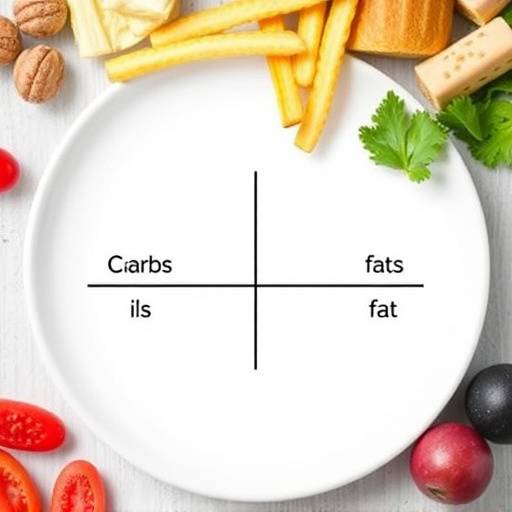
Macronutrients are the nutrients your body needs in large amounts: carbohydrates, proteins, and fats. Understanding their roles and proper ratios is crucial for a balanced diet.
Carbohydrates
Carbohydrates are your body's primary energy source. Focus on complex carbohydrates like whole grains, fruits, and vegetables, which provide sustained energy and fiber. Limit simple sugars found in processed foods and sugary drinks.
Proteins
Proteins are essential for building and repairing tissues. They also play a role in hormone production and immune function. Include a variety of protein sources in your diet, such as lean meats, poultry, fish, beans, lentils, and tofu.
Fats
Fats are important for hormone production, brain function, and the absorption of fat-soluble vitamins (A, D, E, and K). Choose healthy fats like those found in avocados, nuts, seeds, olive oil, and fatty fish. Limit saturated and trans fats, which can increase your risk of heart disease.
The ideal macronutrient ratio varies depending on individual needs and goals. However, a general guideline is to aim for 45-65% of your calories from carbohydrates, 10-35% from protein, and 20-35% from fat. Consult with a registered dietitian to determine the best macronutrient ratio for you.
Micronutrients: Vitamins and Minerals

Micronutrients are vitamins and minerals that your body needs in small amounts. Although they are needed in smaller quantities compared to macronutrients, they are vital for numerous bodily functions.
Vitamins
Vitamins are organic compounds that regulate various processes, including immune function, energy production, and cell growth. There are 13 essential vitamins, each with a unique role. A balanced diet rich in fruits, vegetables, and whole grains can provide you with most of the vitamins you need.
Minerals
Minerals are inorganic substances that are essential for bone health, nerve function, and fluid balance. Examples include calcium, iron, potassium, magnesium, and zinc. Minerals are found in a variety of foods, including fruits, vegetables, dairy products, and meat.
| Nutrient | Recommended Daily Intake (Adults) | Food Sources |
|---|---|---|
| Vitamin C | 75-90 mg | Citrus fruits, berries, peppers |
| Vitamin D | 15 mcg (600 IU) | Fatty fish, fortified milk, sunlight |
| Calcium | 1000-1200 mg | Dairy products, leafy greens, fortified foods |
| Iron | 8-18 mg | Lean meats, beans, spinach |
| Potassium | 2600-3400 mg | Bananas, sweet potatoes, spinach |
While a balanced diet should provide most of the micronutrients you need, some people may benefit from taking supplements. Consult with a healthcare professional or registered dietitian to determine if you need to supplement your diet.
Hydration: The Often-Forgotten Nutrient

Water is essential for life and plays a crucial role in numerous bodily functions, including digestion, temperature regulation, and nutrient transport. Dehydration can lead to fatigue, headaches, and decreased cognitive function.
The amount of water you need each day varies depending on factors such as activity level, climate, and overall health. A general guideline is to aim for eight glasses of water per day. However, you may need more if you are physically active or live in a hot climate.
Tips for staying hydrated:
- Carry a water bottle with you and refill it regularly.
- Drink water before, during, and after exercise.
- Choose water over sugary drinks like soda and juice.
- Eat foods with high water content, such as fruits and vegetables.
- Pay attention to your thirst cues and drink when you feel thirsty.
Nutrition Resources from Vitality Hub
At Vitality Hub, we're committed to providing you with the resources and support you need to achieve your nutrition goals. We offer a variety of services, including:
- Personalized Nutrition Plans: Work with a registered dietitian to create a customized meal plan that meets your individual needs and preferences.
- Nutrition Counseling: Get one-on-one support and guidance from a nutrition expert.
- Cooking Classes: Learn how to prepare healthy and delicious meals.
- Workshops and Seminars: Attend informative workshops on various nutrition topics.
- Online Resources: Access our library of articles, recipes, and tools to support your nutrition journey.
Contact us today at [email protected] or call us at (404) 555-WELL to learn more about our nutrition services.
Visit us at Vitality Hub, 123 Peachtree Street NE, Atlanta, GA 30303.